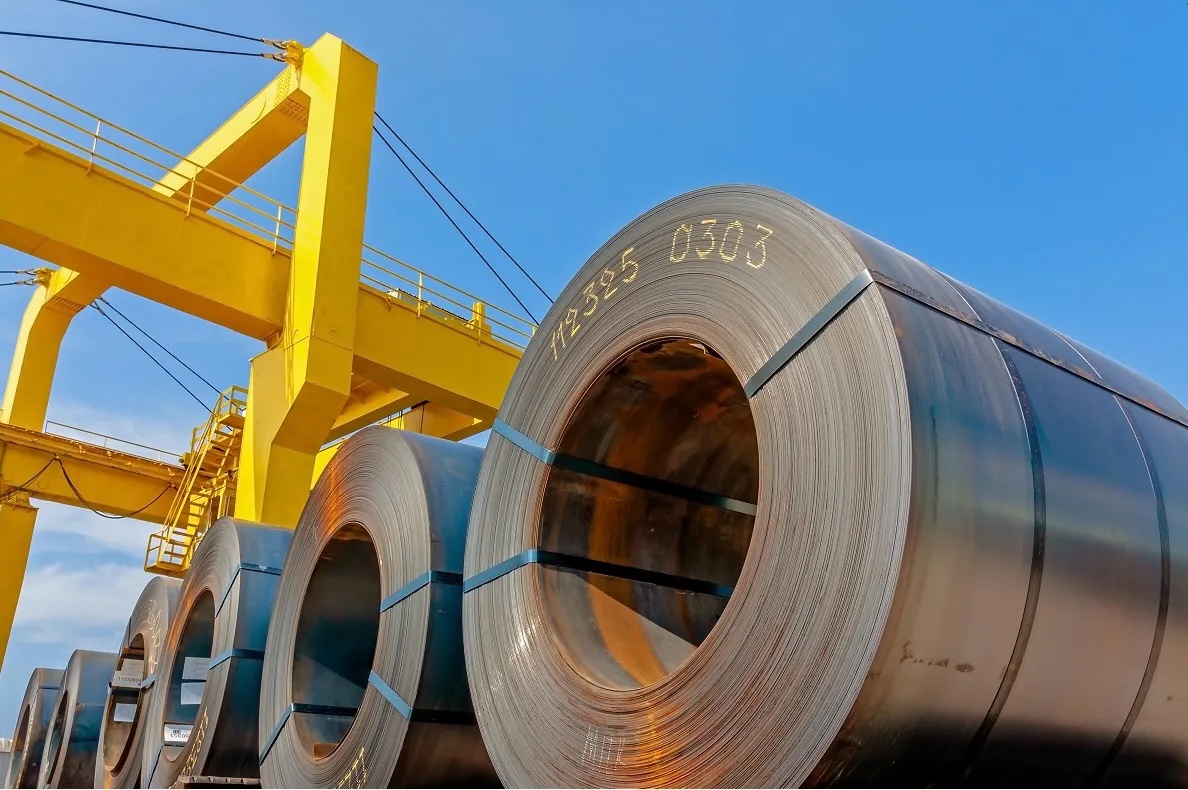
U.S. President Donald Trump signed an order doubling tariffs on steel and aluminum imports to 50% to “further secure the steel industry in the United States.” Britain was excluded from the increase, preserving a 25% tax on its metal imports to the U.S.
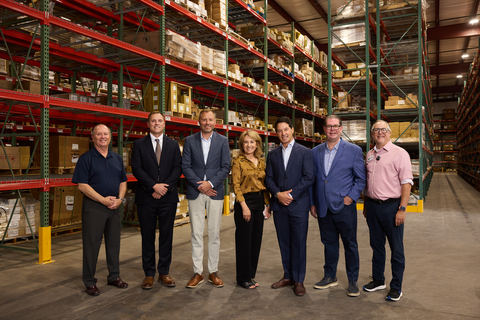
After Trump announced the increase, outgoing Endries International CEO Michael Knight called the hike “sobering.”
“Though we have yet to see any of this show up in the economy as inflation, I don’t see any way that it won’t. By definition, rising prices = inflation.”
Knight added that the supply chain “can(not) absorb increases of these magnitudes so the outcome seems inevitable until such time that supply chains can reconfigure and stabilize… and that isn’t speedy or inexpensive.”
Meanwhile, Trump’s most sweeping tariffs have entered a period of legal uncertainty. A federal appeals court allowed the tariffs to temporarily stay in effect, a day after the US Court of International Trade blocked their implementation, deeming the method used to enact them “unlawful.”
Tariffs on fasteners from China have increased by 45% since the beginning of the year, and imports from Taiwan, Vietnam, India, Mexico, and Canada face a 25% duty.
The tariff rate for most fasteners from China is 70%, including 20% “fentanyl” tariffs, a 25% tariff on steel/aluminum, and a 25% tariff from President Donald Trump’s first term.